We have all been spoon-fed the same cultural lie since childhood: The early bird gets the worm. It is a great philosophy for getting out of bed, but it is a terrible philosophy for technical trading. In the markets, the early bird usually gets slaughtered by institutional algorithms. If you want to survive the daily grind of the charts, you need to adopt a much darker proverb:
The early bird gets the trap. The second mouse gets the cheese.
Every trader, regardless of their overarching strategy, eventually has to pick a specific price to enter a trade. We draw our lines, we find our support zones, we check our momentum indicators, and we set our limit orders. But there is a massive difference between knowing where you want to buy and knowing when you should actually pull the trigger.
This brings us to the most brutal rule of modern price action: If you don’t wait for the liquidity to be taken, you are the liquidity.
The Trap Door at Support
Let’s look at how this plays out on the battlefield.
Imagine you are charting Solana (SOL). It was trending upward, but now its been consolidating. You identify a beautiful, clean support level on the 1-hour chart—let’s call it $140.00. It has bpaused there twice before. It looks. It’s going to zip up from there, at least to the top of the current range, and probably well beyond.
The “Early Bird” trader sees SOL approaching $140 and gets excited. They place a limit buy order exactly at the line, and they put their stop-loss just below it at $138.50 to practice “good risk management.”
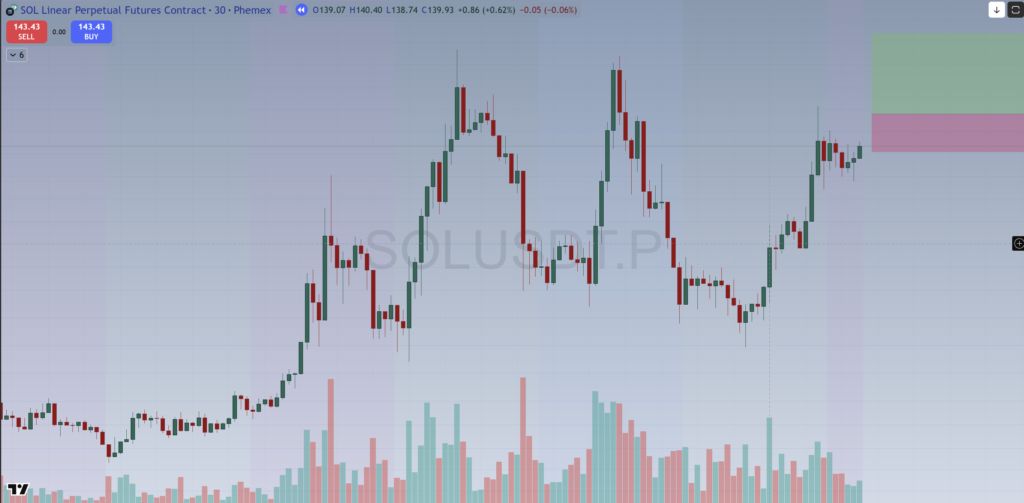
Here is what happens 80% of the time: SOL hits $140. It pauses. Then, suddenly, a violent red candle violently wicks down to $137.50. The Early Bird is stopped out for a loss. They watch in horror as the price immediately reverses, reclaims the $140 level, and rockets up to $145 without them.
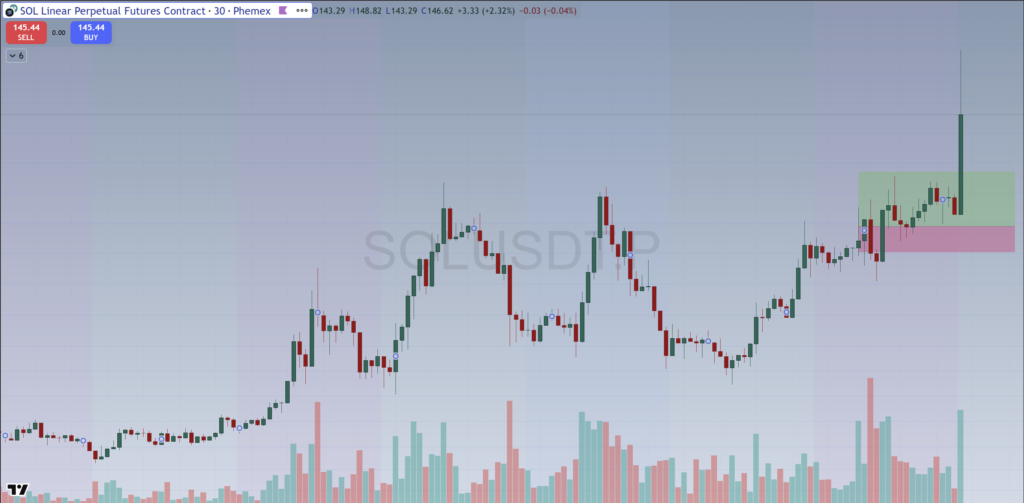
The Early Bird didn’t do anything wrong technically. They found the right zone. But they became the liquidity. Market makers know exactly where retail traders put their stop-losses (just below obvious support). They drive the price down to trigger those stops, scoop up the localized liquidity to fill their own massive orders, and then reverse the trend.
The “Second Mouse” Solution: The Retest
This is where the Retest comes into play. As a rule-based trader, I have learned to stop trying to catch the falling knife at the exact millimeter of support.
I don’t want to be the first one in the room. I want to wait outside, let the trap trigger, watch the dust settle, and then walk in to claim the prize.
Here is the anatomy of the Second Mouse trade on that same SOL setup:
- The Approach: SOL hits $140. I do nothing.
- The Sweep: SOL flushes down to $137.50, sweeping the stop-losses of the early buyers. I watch.
- The Reclaim: SOL violently rejects the lower prices and closes a candle back above the $140 support line.
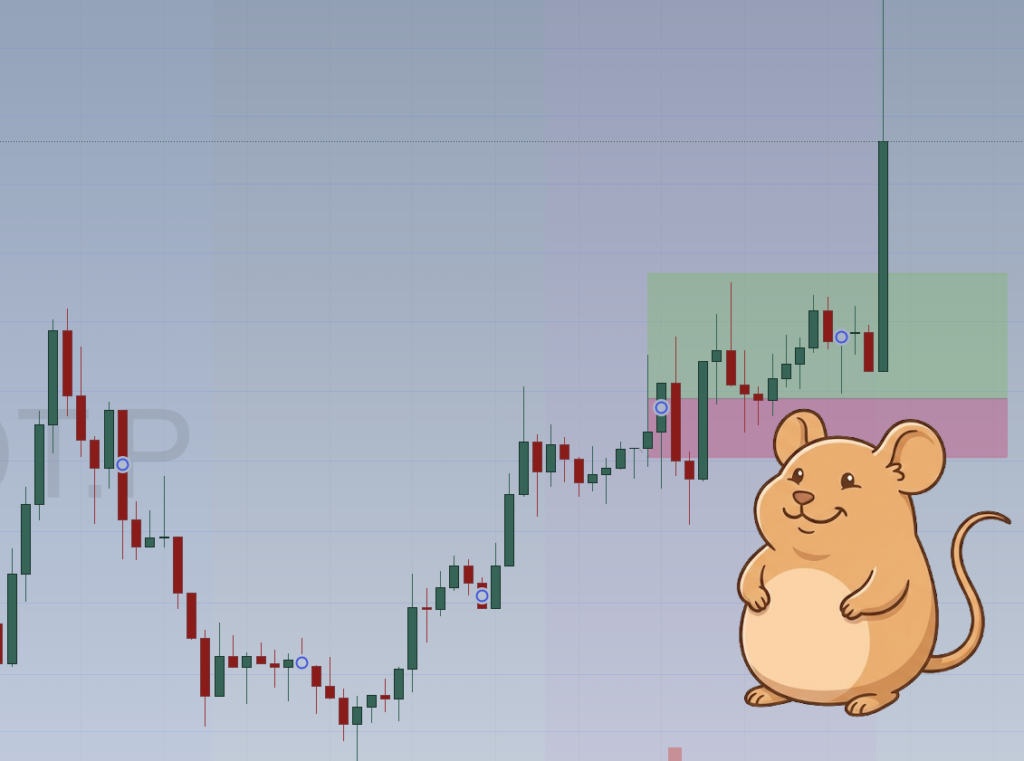
- The Retest (The Entry): The price dips one more time to test that $140 level from above. The trap has already been sprung. The liquidity has been cleared. This is where I enter.
Look back at that trade. Price retested the target level again. All the trader had to do was wait. The second mouse is a happy, well-fed mouse.
The Psychological Toll of the Retest
I will be completely candid: Trading this way is psychologically taxing in a different way.
When you adopt the Second Mouse philosophy, you have to accept a frustrating reality: You will miss trades. Sometimes, SOL will hit $140.00 on the nose and instantly rocket to the moon. There will be no sweep. There will be no retest. You will be left sitting on your hands on the sidelines, watching a massive winner sail away without you. The FOMO will scream at you that you should have just been the Early Bird.
But remember the math of our Monte Carlo realities. We aren’t trying to catch every single move the market makes. We are trying to execute a system with positive expectancy while taking only the smallest, most controlled losses possible.
Yes, it is taxing to have price action seem to confirm your theory perfectly, and do nothing. You know what else is taxing? Hitting your stop loss again and again.
Missing a good trade costs you nothing but pride. Stepping into a liquidity sweep costs you capital.
The next time the price approaches your magic line, take a breath. Let the amateur be the liquidity. Wait for the sweep. Wait for the reclaim. Be the second mouse.